
Most agencies burn out because they treat every platform like a blank canvas instead of a distribution channel.
AI content repurposing isn’t about letting a robot write your strategy; it’s about taking one high-value piece of content and mathematically multiplying its reach across LinkedIn, X, Instagram, and newsletters without diluting the message. This approach turns a single hour of work into a week’s worth of traffic.
I see this constantly at Digital Gato. Founders spend four hours writing the “perfect” LinkedIn post, post it, get fifty likes, and then start from scratch the next day. It is exhausting and frankly, bad business. If you aren’t squeezing at least six distinct assets out of every core idea, you aren’t doing content marketing. You are just doing content charity.
Key Takeaways
- Stop creating net-new content for every channel; create one core asset and splinter it.
- Use AI to reformat rather than invent; the human provides the insight while the AI handles the syntax.
- Automating the distribution is just as critical as automating the creation.
- Quality control is non-negotiable to avoid looking like a spam bot.
What is the 1-to-6 content repurposing framework?

The 1-to-6 framework is a waterfall strategy where a single long-form source—like a blog post or video transcript—is systematically converted into a newsletter, LinkedIn carousel, X thread, Instagram Reel script, short-form video caption, and a Facebook status using specific AI prompts.
The biggest mistake people make with AI is asking it to “write a post about X.” That results in hallucinated fluff. The 1-to-6 method works because you are giving the AI the answers first. You provide the source material (the “parent” asset), and the AI acts as a translator, not an author.
Here is what the waterfall looks like in practice:
- The Parent: A detailed YouTube video or a 1,500-word blog post.
- Asset 1 (The Hook): A short-form X thread focusing on the most controversial point.
- Asset 2 (The Value): A text-heavy LinkedIn post or carousel PDF script.
- Asset 3 (The Relationship): A deeply personal email newsletter.
- Asset 4 (The Reach): A 60-second vertical video script for Reels/TikTok.
- Asset 5 (The Community): A question-based poll or status for Facebook groups.
- Asset 6 (The SEO): A medium-form article for platforms like Medium or guest blogs.
Which AI tools are best for repurposing content?
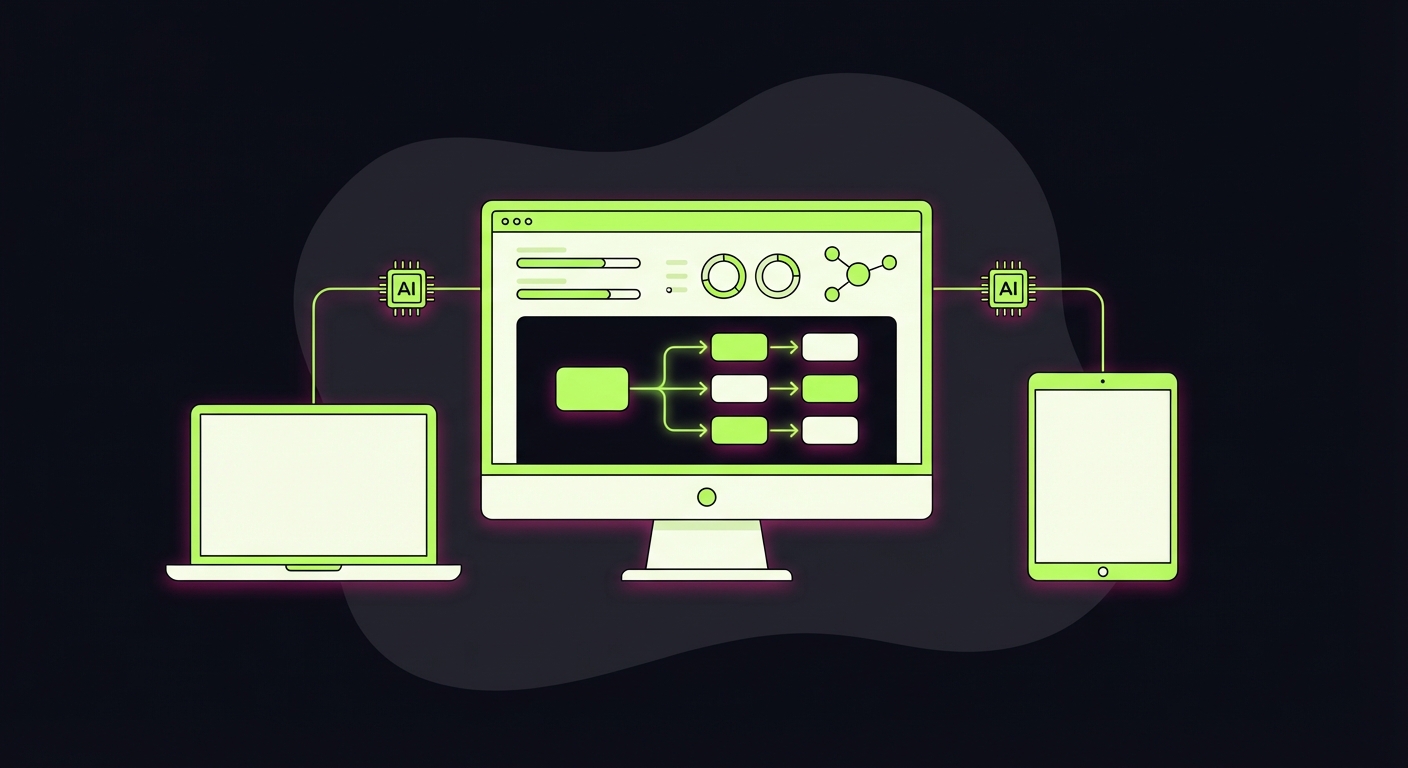
The most effective stack combines Claude 3.5 or ChatGPT for text restructuring, OpusClip for slicing long-form video, and automation platforms like Make.com to route the assets. Specialized tools like Taplio or Hypefury can further refine the output for specific social algorithms.
At Digital Gato, we lean heavily on Make.com because it allows for granular control. We don’t just want a tool that blasts content; we want a workflow that formats it.
For example, we use Claude for text-to-text repurposing because it mimics human nuance better than GPT-4. If I feed Claude a transcript of a call I had with a client, I can ask it to extract three bullet points for a LinkedIn post. It understands context.
For video, OpusClip is currently unbeatable. You upload a 30-minute Zoom call, and it spits out ten viral-ready clips with captions burned in. It saves hours of editing time.
How do you automate the distribution of repurposed content?
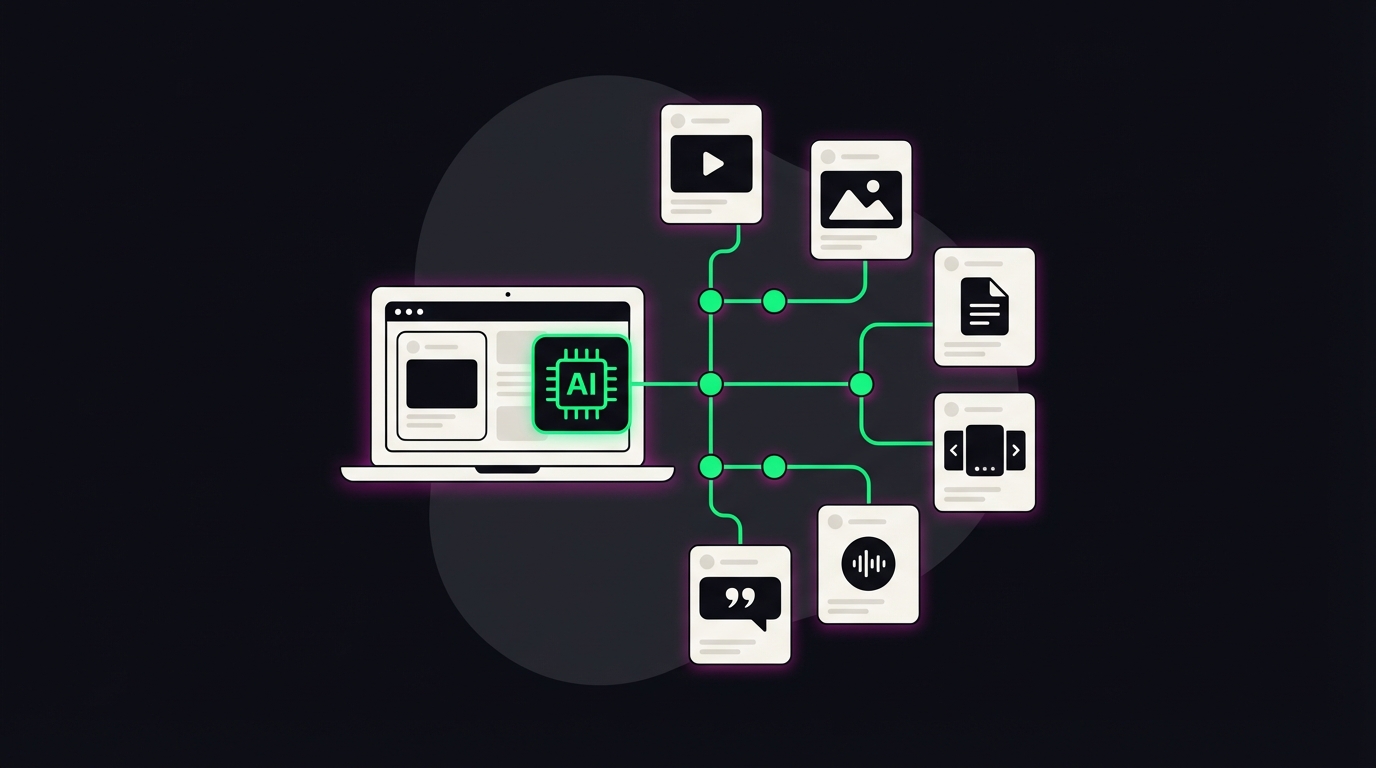
Automation involves connecting your content generation tools to scheduling platforms via APIs. By setting up triggers in Make or Zapier, approved assets can be automatically drafted in your social media scheduler, requiring only a final human approval click before publishing.
This is where the magic happens. You shouldn’t be copy-pasting text from ChatGPT into LinkedIn. You should be building a pipeline.
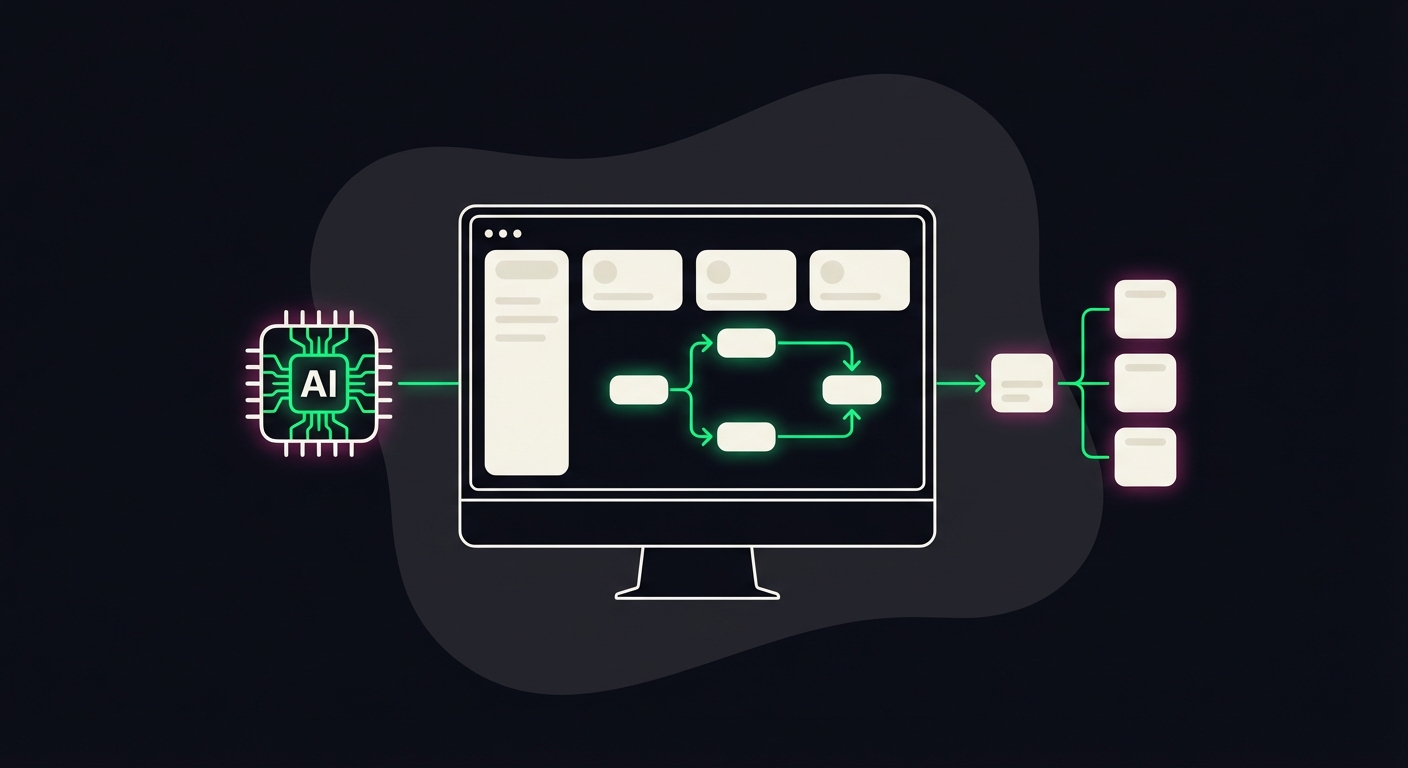
We set up workflows where a finished Google Doc triggers a scenario. That scenario sends the text to an LLM to be reformatted for X and LinkedIn. The LLM output is then sent directly to the “Drafts” folder of our scheduling tools.
If you are looking to build this specific part of the system, we have detailed social automation guides that break down the exact API connections we use. The goal is to touch the content only twice: once to create the parent asset, and once to approve the child assets.
How do I keep AI content from sounding robotic?
To humanize AI outputs, feed the model your specific tone-of-voice guidelines, use transcript-based prompting rather than generic topic prompts, and strictly enforce a “human-in-the-loop” editing stage to remove repetitive adjectives and unnatural sentence structures.
Robotic content usually happens because the prompt was lazy. If you give generic inputs, you get generic outputs.
I always train a custom GPT on my previous writing. I upload twenty of my best performing emails and tell the AI, “Analyze the sentence length, vocabulary complexity, and tone. Adopt this persona.”
Furthermore, you must ban specific words. If I see “delve,” “unlock,” “elevate,” or “tapestry” in a draft, I know the prompt wasn’t tight enough. We use a negative constraint list in every prompt to ensure the AI speaks like a pragmatic marketer, not a breathless press release writer.
Love this strategy, but hate the manual grunt work?
From: $1,299
What is the ROI of AI content repurposing?

The ROI typically manifests as a 300% to 500% increase in impression volume with zero additional labor hours. By populating multiple channels simultaneously, you lower the cost-per-lead and increase the surface area for luck, allowing your best ideas to find their audience regardless of the platform.
Think about the math. If you write one post for LinkedIn, you have one chance to go viral. If you turn that post into six assets across four platforms, you have six tickets in the lottery.
But the real return isn’t just vanity metrics. It is consistency. The algorithm loves consistency more than it loves quality. By having a backlog of repurposed assets, you never miss a day. That reliability signals to both the platforms and your potential clients that you are an authority who shows up.
Tired of juggling tools and playing architect?
Skip the manual setup and the subscription fatigue. We’ll build you a custom Social Visibility Engine that handles everything, from deep-dive research and on-the-fly image creation to multi-platform posting. One system, zero headaches.