
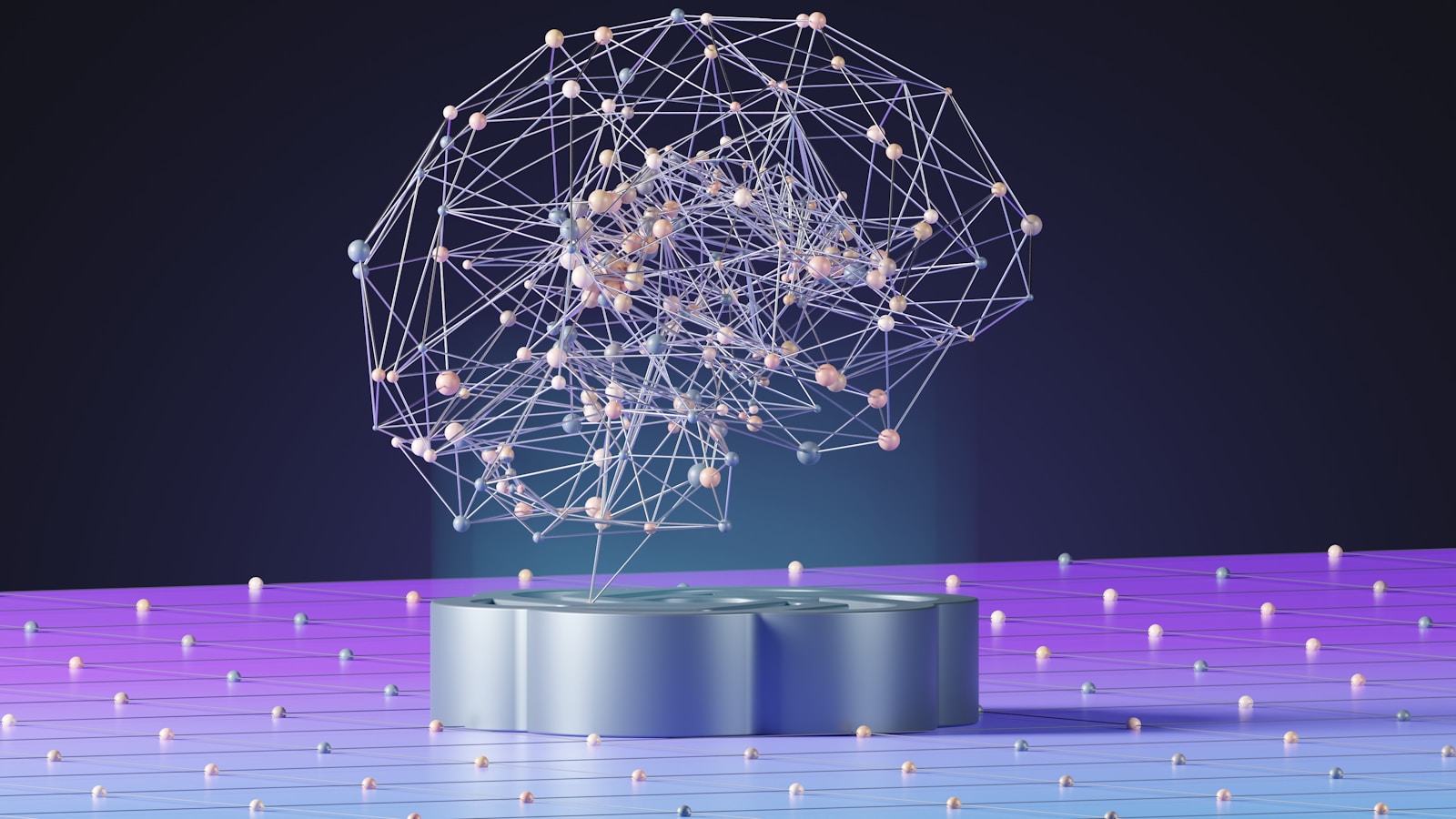
Will AI be able to read minds soon? Here’s what we know:
The idea of AI knowing our most private thoughts… the stuff of nightmares, right?
It certainly feels like this is a sci-fi movie becoming reality. Your mind totally exposed and vulnerable… kind of a wild concept! But it makes you wonder, could something that crazy really become a reality?
AI is getting scary good
Honestly, AI is starting to freak me out a little. It can churn out essays that could fool your teacher, have conversations that seem way too real, and even beat the best human players at super complicated games.
It’s getting better all the time, so it makes you wonder… could it really figure out how to read our brain signals and, basically, our minds?
The science behind the potential
It’s important to understand that the current research isn’t quite true mind-reading.
Using fMRI scans (which measure blood flow changes within the brain), scientists can create rough visual representations of what someone is seeing.
Think more of a grainy, out-of-focus image than a high-definition display of your inner monologue.
Yet, AI systems excel at pattern recognition – they thrive on finding order in the chaos of data.
Give them a richer dataset, like the neural activity across the entire brain, and breakthroughs that seem unimaginable now might become tomorrow’s reality.
More than just words
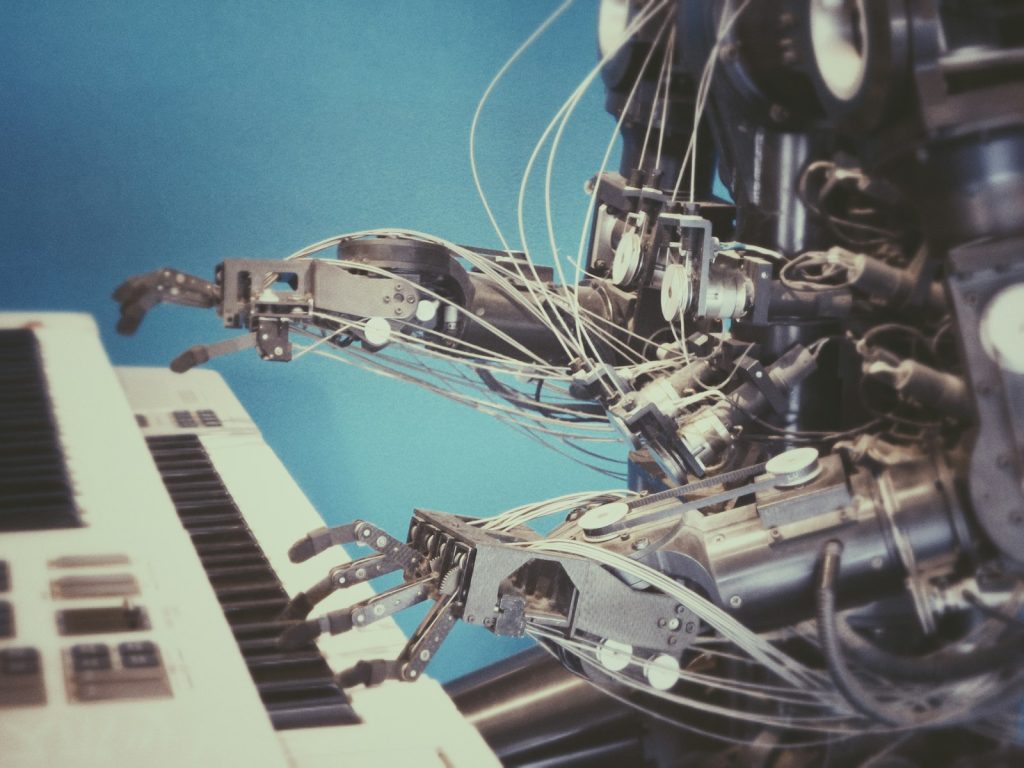
But even if we assume AI can master decoding our brain activity, does that equal true mind reading?
Our thoughts aren’t just a neat stream of internal dialogue, they’re a bubbling stew of memories, emotions, and deeply personal experiences.
Would any algorithm truly understand the nuances of fear, heartbreak, or the giddy excitement triggered by a childhood memory?
Perhaps true understanding remains the realm of the human for now.
The chilling ethical debate
The potential of mind-reading AI sends a shiver down the spine.
Our innermost sanctum – the places where we guard our fears and less-than-noble impulses – could be laid bare.
Imagine the power this technology would hold in the hands of authoritarian governments or manipulative corporations.
The very concept of mental privacy, something we now take for granted, could crumble.
This isn’t something we can handle alone
AI breakthroughs don’t care about borders. This isn’t the kind of problem any one country or tech company can fix by themselves.
We need to start talking – like, really talking across the whole world – about how this kind of AI should be controlled.
It could take some seriously tough agreements, maybe even rules that every country has to follow, to make sure our thoughts stay our own.
But what does this mean for us anyway?
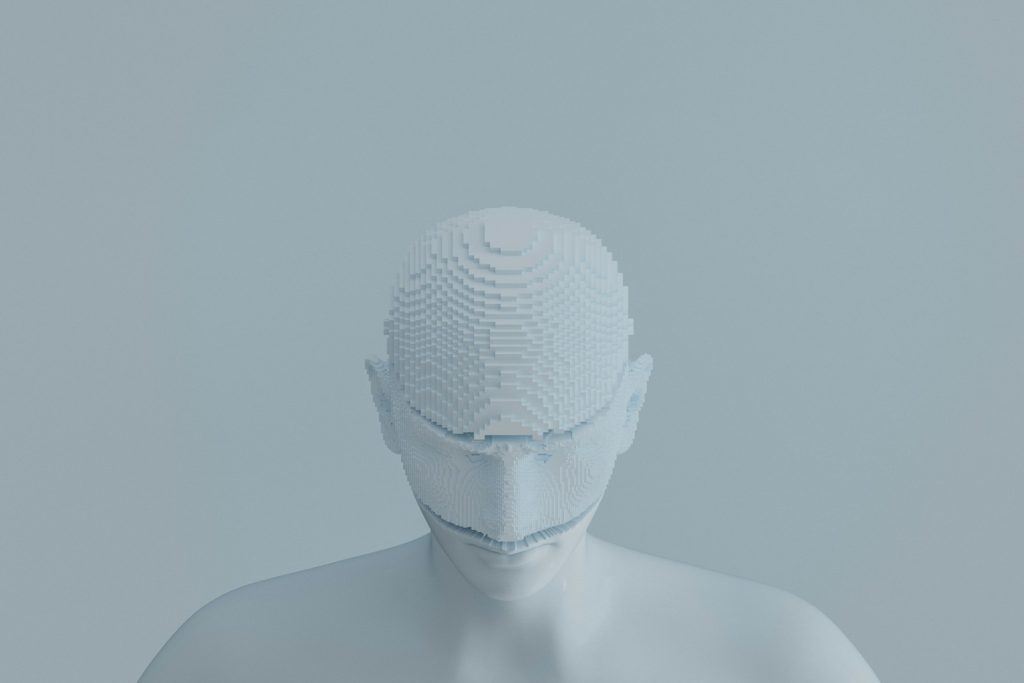
If machines can start rummaging through our heads, what even makes us human anymore?
Like, is there something deeper than just the electrical blips and bloops in our brains? Something that makes us…us?
Maybe AI can’t answer that, but we sure as heck are going to have to figure it out as this technology gets crazier by the day.
They might even replace stand-up comedians… (or maybe not).
The urgent need for caution
So the question still stands: Will AI be able to read minds? At the moment we don’t know for sure. But this isn’t a fear to be fanned into blind panic, but it demands clear-eyed consideration.
The relentless advance of AI won’t wait for us to have tidy ethical frameworks in place.
We need these conversations now – open, global dialogues that value the safeguarding of our minds as much as scientific progress.
We need to decide what boundaries must exist before we find ourselves in a world where our thoughts may no longer belong to us alone.